Every memorable crochet project begins with a single strand of fiber, yet navigating the wide spectrum of yarn thicknesses can quickly overwhelm even passionate makers. From featherlight lace threads to colossal arm-knitting roving, understanding how yarn weight dictates gauge, fabric drape, and hook selection is the fundamental key to crafting garments and home accessories that turn out true to size every time.
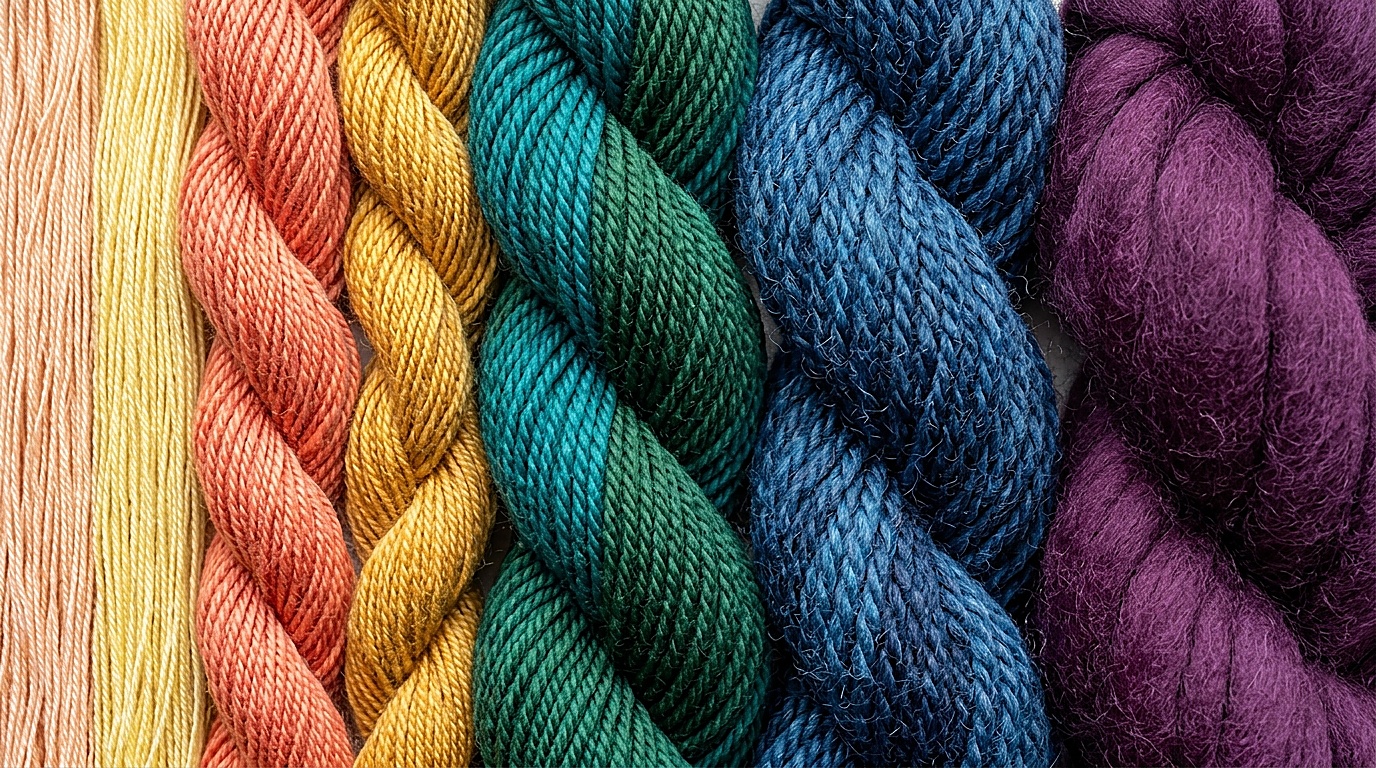
Unlike sewing patterns where fabric bolt weight is strictly standardized by grams per square meter, the international fiber community relies on a blend of legacy regional terms—such as British 4-ply, Australian 8-ply, and American worsted. In this comprehensive atelier masterclass, we break down the Craft Yarn Council (CYC) Standard Yarn Weight System, provide an actionable conversion chart, demonstrate the foolproof Wraps Per Inch (WPI) ruler test, and reveal how to substitute yarns with total confidence.
Why Yarn Weight Matters Far More Than Hook Size
- Gauge Integrity: Using a yarn that is even slightly heavier or lighter than your pattern specifies will exponentially compound across hundreds of stitches, transforming a fitted sweater into an unwearable tent or a miniature doll garment.
- Fabric Structure & Drape: Delicate shawls require open, supple movement achievable only with lace and fingering weights, while structured market bags and amigurumi toys demand dense, unyielding fabric produced by worsted cotton.
- Total Project Weight: Substituting a lighter yarn for a heavier one without adjusting yardage can double the physical weight of large blankets, causing premature sagging and fiber wear over time.
- Cost & Yardage Efficiency: Fine yarns pack significantly more yardage into a 100-gram skein (up to 900 yards) compared to jumbo roving (often only 30 yards), directly impacting project budget and skein requirements.
The Standard Yarn Weight System (Categories 0 to 7)

The Craft Yarn Council (CYC) established a standardized numerical classification from 0 to 7 to harmonize international yarn labeling. Here is the definitive breakdown of each category:
Category 0: Lace (Fingering 10-count, Crochet Thread #10)
The finest fiber category includes delicate tatting thread, crochet cotton #10 to #30, and cobweb lace. Ideal for heirloom doilies, vintage tablecloth borders, micro crochet earrings, and airy summer bridal shawls.
- Recommended Hook: Steel hooks 1.4 mm to 2.25 mm (US B-1 to steel 8).
- Typical Wraps Per Inch (WPI): 30 to 40+ wraps.
Category 1: Super Fine (Fingering, Sock, Baby, 4-Ply)
Exceptionally versatile and durable, fingering weight is the gold standard for hand-crocheted socks, delicate infant layettes, lightweight summer shawls, and colorwork accessories.
- Recommended Hook: 2.25 mm to 3.5 mm (US B-1 to E-4).
- Typical Wraps Per Inch (WPI): 19 to 22 wraps.
Category 2: Fine (Sport, Baby, 5-Ply)
Slightly heavier than sock yarn, sport weight delivers crisp stitch definition with featherlight drape. Perfect for transitional seasonal cardigans, lightweight baby blankets, and textured gloves.
- Recommended Hook: 3.5 mm to 4.5 mm (US E-4 to 7).
- Typical Wraps Per Inch (WPI): 15 to 18 wraps.
Category 3: Light (DK, Light Worsted, 8-Ply)
Double Knitting (DK) is an international favorite. Thick enough to work up quickly while remaining light enough to prevent bulkiness, it is the primary choice for year-round wearables, children’s sweaters, and modern home decor.
- Recommended Hook: 4.5 mm to 5.5 mm (US 7 to I-9).
- Typical Wraps Per Inch (WPI): 12 to 14 wraps.
Category 4: Medium (Worsted, Afghan, Aran, 10-Ply)
The undisputed workhorse of the crochet world. Worsted weight yarn provides the ideal balance of speed, structural stability, and stitch visibility, making it the top recommendation for beginners, dishcloths, granny squares, and cozy throws.
- Recommended Hook: 5.5 mm to 6.5 mm (US I-9 to K-10.5).
- Typical Wraps Per Inch (WPI): 9 to 11 wraps.
Category 5: Bulky (Chunky, Craft, Rug, 12-Ply)
Twice as thick as worsted weight, bulky yarns create thick, plush fabric in a fraction of the time. Excellent for winter beanies, chunky cowls, cozy slippers, and textured waffle blankets.
- Recommended Hook: 6.5 mm to 9.0 mm (US K-10.5 to M-13).
- Typical Wraps Per Inch (WPI): 7 to 8 wraps.
Category 6: Super Bulky (Roving, Super Chunky, 14-Ply)
Designed for rapid, high-impact makes. Super bulky wool and velvet chenille yarns finish in hours, making them ideal for modern floor poufs, thick winter scarves, and snuggle blankets.
- Recommended Hook: 9.0 mm to 15.0 mm (US M-13 to Q).
- Typical Wraps Per Inch (WPI): 5 to 6 wraps.
Category 7: Jumbo (Giant Roving, Arm Knitting Fiber)
The thickest commercial fiber available. Worked with giant wooden hooks or directly with your bare arms, jumbo yarn creates dramatic statement bed runners and oversized lap blankets.
- Recommended Hook: 15.0 mm to 25.0 mm or larger.
- Typical Wraps Per Inch (WPI): 1 to 4 wraps.
To ensure perfect stitch gauge across all yarn categories, pair this guide with our master Crochet Hook Sizes Guide & Conversion Chart.
The Master Yarn Weight Conversion Matrix
Keep this handy quick-reference matrix pinned in your studio to seamlessly convert international pattern terms:
| CYC # | Standard Name | UK / AU Ply | WPI Range | Metric Hook | US Hook |
|---|---|---|---|---|---|
| 0 | Lace | 1-ply / 2-ply | 30–40+ | 1.4–2.25 mm | Steel 8 to B-1 |
| 1 | Super Fine / Fingering | 3-ply / 4-ply | 19–22 | 2.25–3.5 mm | B-1 to E-4 |
| 2 | Fine / Sport | 5-ply | 15–18 | 3.5–4.5 mm | E-4 to 7 |
| 3 | Light / DK | 8-ply | 12–14 | 4.5–5.5 mm | 7 to I-9 |
| 4 | Medium / Worsted / Aran | 10-ply | 9–11 | 5.5–6.5 mm | I-9 to K-10.5 |
| 5 | Bulky / Chunky | 12-ply | 7–8 | 6.5–9.0 mm | K-10.5 to M-13 |
| 6 | Super Bulky | 14-ply / 16-ply | 5–6 | 9.0–15.0 mm | M-13 to Q |
| 7 | Jumbo | Roving | 1–4 | 15.0 mm+ | Q and larger |
How to Identify Mystery Yarn: The Wraps Per Inch (WPI) Test

Every maker inherits unlabeled yarn skeins or loses paper ball bands. Instead of guessing the thickness and risking a gauge disaster, use the studio-standard Wraps Per Inch (WPI) test:
- Grab a Standard Ruler or Pencil: Use a rigid wooden ruler or a smooth cylindrical pencil.
- Wrap the Yarn Smoothly: Secure the yarn tail with your thumb and wrap the strand around the ruler for approximately 2 inches. Ensure each wrap sits snugly side by side against its neighbor without overlapping or stretching the fiber taut.
- Count the Strands in 1 Inch: Use a tapestry needle tip to count the exact number of wraps enclosed within a 1-inch (2.54 cm) window.
- Compare with the Matrix: If your ruler counts 10 wraps, your mystery yarn is standard Category 4 Worsted weight. If it counts 13 wraps, it is Category 3 DK.
Fiber Composition & Yardage Dynamics

Two skeins of identical Category 4 worsted yarn can behave completely differently depending on their fiber origin:
- Plant Fibers (Cotton & Linen): Heavy, inelastic, and dense. A 100-gram skein of worsted cotton provides approximately 180 to 200 yards. It holds sharp stitch definition and resists heat, making it premier for kitchen makes and washcloths.
- Animal Fibers (Wool, Alpaca & Cashmere): Naturally crimped and lightweight. A 100-gram skein of worsted wool yields approximately 210 to 230 yards. The microscopic scales lock air inside, delivering incredible thermal insulation and elastic memory that recovers after washing.
- Synthetic Fibers (Acrylic & Polyester): Budget-friendly, lightweight, and machine washable. Acrylic yields similar yardage to wool and maintains bright saturated colorways through repeated laundry cycles.
Elena & Clara’s Golden Rules for Yarn Substitution
When joining new skeins or switching shades across weight categories, follow our step-by-step masterclass on how to change colors in crochet seamlessly.
1. Match WPI First, Fiber Second: When substituting yarn in a pattern, ensure your replacement yarn shares the exact same WPI bracket as the original yarn. A DK yarn can never directly replace worsted without recalculating stitch counts.
2. Buy by Total Yardage, Never by Skein Count: Patterns often state “requires 6 balls of yarn.” Because skein gram weights and fiber densities vary drastically across manufacturers, always calculate the total yardage (e.g., 6 × 200 yards = 1,200 yards) before purchasing alternative brands.
3. Always Work a 4-Inch Gauge Swatch: A gauge swatch is not an optional suggestion—it is your project insurance policy. Work a 10 × 10 cm swatch in the pattern stitch, wash it, and let it dry before measuring. Sizing your hook up or down by 0.5 mm will bring your gauge into perfect alignment with the designer’s specifications.
Save This Yarn Guide to Pinterest
Never forget yarn categories, WPI counts, or hook sizes! Pin these visual quick-reference guides to your favorite Pinterest crochet tips or fiber arts board!